
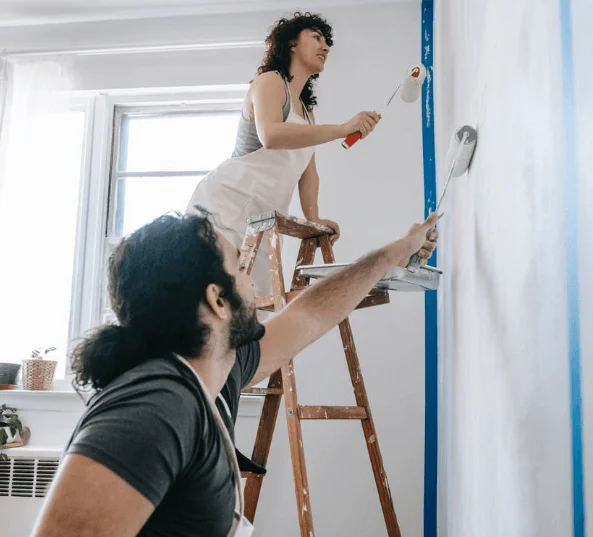
 With many TV shows depicting house flippers having fun while making a profit, many investors have taken interest in the idea. In 2019 alone, 6.2% of all home sales in the U.S. were flipped homes! It sure looks easy on TV –buy a house, fix it up, put it back on the market, and make an easy sale –but is that all it takes? Before you join the bandwagon, let's look at some of the biggest mistakes flippers make so that you'll know how to avoid them.
5 Common Mistakes House Flippers Make
1. Not Having Enough Funds
One of the most common mistakes flippers make is not sticking with the budget. Before you invest in house flipping, you need to know how much it would cost to see the project through.
Real estate investing is expensive. Property acquisition alone costs tens of thousands to hundreds of thousands of dollars, even if you're buying a fixer-upper. Our mortgage calculator is a great place to start. Create a detailed budget before you commit to purchasing a fixer-upper to flip.
2. Lack of Commitment To The Project
House flipping is a time-consuming venture that you can't treat as a hobby if you want to make money. It can take months before you find and buy the right property in hot markets. Once you've purchased the home, fixing it up takes time as well. You need to invest time and commit to it, from demolition to construction and selling the house. This is especially critical if you are doing all the work yourself.
3. Not Knowing How To Pick The Right Property
A successful house flip involves picking the right property at the right location at the right price. You need to be familiar with the applicable tax laws and zoning laws before buying.
Take the time to learn all about house flipping. Newbies tend to rush and buy the first house available in the market, then hire the first contractor that makes a bid to do the renovations. An already experienced and successful house-flipper willing to share their knowledge is ideal.
4. Overpricing The Home When Selling
Pricing a property is crucial to making a sale. Yes, you want to earn a profit, but overpricing your home will take longer for you to sell and adds to your overall costs, slowly chipping away at any potential profit. Study the community to check how much the competition sells their properties before purchasing or making any improvements.
5. Over Improving the Property
Spending too much on your flip to make it better than all the other homes on the block can backfire! There's nothing wrong with making your flip comparable to other top-selling homes in the neighborhood but adding an expensive saltwater pool or marble showers is going overboard.
This doesn't mean that you won't use quality materials for improvements, but you want to be mindful about staying within your budget to protect your profit margins.
Ready to start your house flipping business?
House flipping can be a lucrative business as long as you can avoid some investors' common flipping mistakes. Making a nice profit involves understanding the time and finances required in completing a house flip.
If you need funding for your house flip project, you can contact our trusted loan officers for more information.