
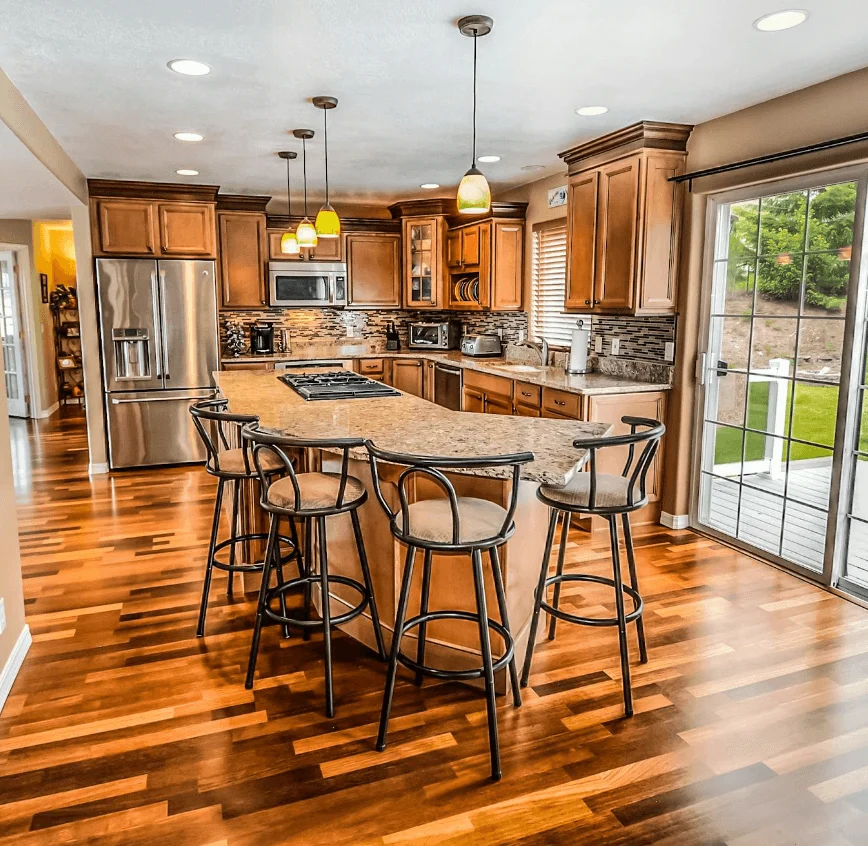
 Buying your first home is an exciting milestone, but it can also be a minefield of hidden costs and unexpected issues, especially in the kitchen.
As the heart of the home, the kitchen is where you’ll spend a lot of time, so it’s crucial to ensure it’s in good shape.
Here are five costly kitchen problems that first-time homebuyers often overlook:
1. Outdated Plumbing
Plumbing issues are often hidden behind walls and under sinks, making them easy to overlook during a quick walkthrough. Outdated plumbing systems can lead to leaks, water damage, and even mold.
Look for signs of corrosion on pipes and water stains under sinks. It’s wise to have a professional plumber inspect the system before you buy. The cost of replacing old pipes and fixing water damage can run into thousands of dollars, making this a crucial check.
2. Poor Ventilation
Proper ventilation is essential for maintaining air quality and removing cooking odors and moisture from the kitchen. Many first-time homebuyers don’t consider the efficiency of the kitchen’s ventilation system. Poor ventilation can lead to mold growth, lingering smells, and even damage to cabinets and walls due to excess moisture.
Ensure the kitchen has a functional range hood that vents outside, not just a recirculating one, and that it’s powerful enough to handle the size of the kitchen.
3. Electrical Issues
Kitchens require a lot of electrical power to run appliances, lighting, and outlets. Older homes may not have the electrical capacity to handle modern appliances, leading to overloaded circuits and potential fire hazards.
During your inspection, check the age and condition of the electrical wiring and ensure there are enough outlets for your needs. Upgrading electrical systems can be expensive but is necessary for safety and functionality.
4. Flooring Problems
The kitchen floor takes a lot of abuse, from spills to heavy foot traffic, so it’s important it’s in good condition. However, first-time homebuyers often overlook signs of damage. Check for cracked tiles, peeling linoleum, or warped wood.
These issues can be indicators of deeper problems like water damage or poor installation. Replacing a kitchen floor can be costly, especially if subflooring needs repair as well. Ensure the existing flooring is durable and properly installed to avoid unexpected expenses.
5. Cabinet and Countertop Condition
Cabinets and countertops are some of the most used surfaces in a kitchen, and their condition can significantly affect your kitchen’s functionality and aesthetics. First-time homebuyers often focus on the surface appearance and overlook structural issues. Check for signs of water damage, warping, or loose hinges in cabinets.
Countertops should be inspected for cracks, stains, and overall sturdiness. Replacing cabinets and countertops can be a major expense, so make sure they are in good condition or factor the cost of replacements into your budget.
Final Thoughts
Buying your first home is a significant investment, and overlooking potential kitchen problems can lead to unexpected and costly repairs. Ensuring the plumbing, ventilation, electrical systems, flooring, and cabinetry are in good condition can save you money and stress in the long run.
Hire a professional inspector to thoroughly evaluate the kitchen before finalizing your purchase. By addressing these common but often overlooked issues, you can enjoy your new home with peace of mind and a fully functional kitchen.